


Selective Pallet Racking vs Drive-In Racking: Which Is Better for Singapore Warehouses
What Is Selective Pallet Racking?
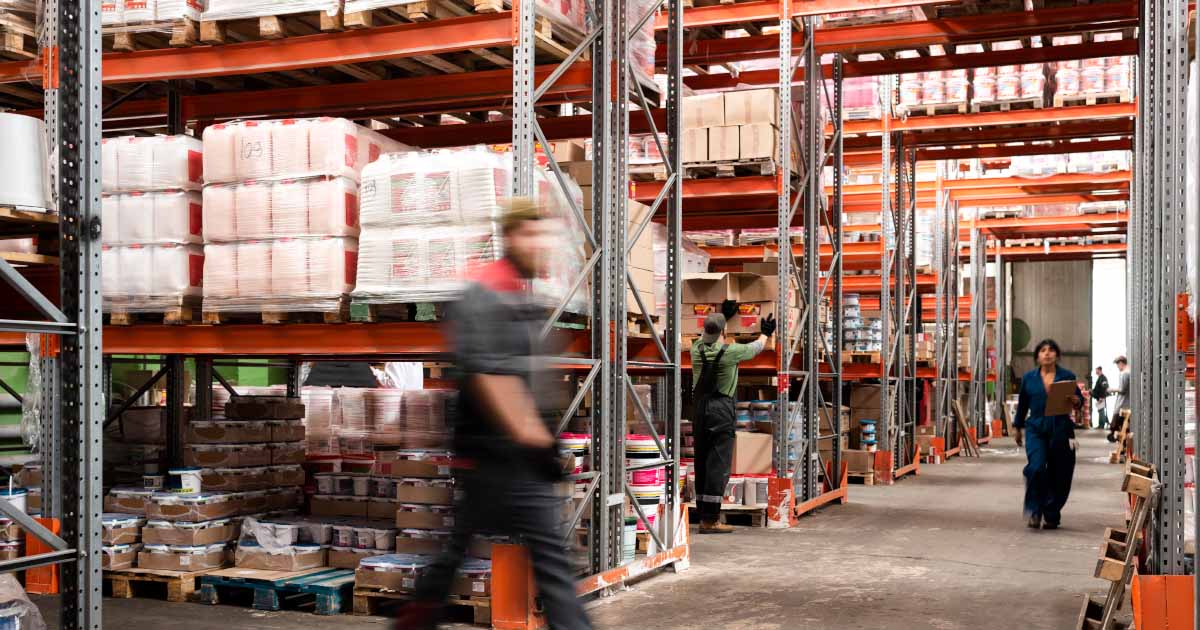
Selective pallet racking is the most familiar type of warehouse storage, with pallets placed side by side in single rows or back to back in double rows, each accessible directly from the aisle. A forklift can reach any pallet at any time without needing to move another one first. This makes selective racking the standard choice where a warehouse holds many different products and needs to pick individual pallets often, rather than moving large quantities of a single item at once.What Is Drive-In Racking?
Drive-in racking works differently. Instead of individual bays facing an aisle, pallets sit on rails inside a continuous block, and the forklift drives directly into the structure to place or retrieve them. This removes most of the aisle space a warehouse would otherwise need, which is why drive-in systems are known for high density storage. The trade off is that only the outermost pallet in each lane is reachable at a given time, so it works best when a warehouse is storing large quantities of the same product rather than a wide product mix.Storage Density Compared
Density is where drive-in racking has a clear advantage. By removing the extra aisles that selective racking requires between every row, a drive-in layout can hold significantly more pallets within the same floor area. As a guide, some racking suppliers have reported drive-in systems increasing pallet storage capacity by roughly 50 to 65 percent compared to selective racking in a similar footprint. For warehouses where every square metre of floor space carries a cost, that difference matters.Forklift Access and Pallet Rotation
Selective racking allows full first in, first out or first in, last out flexibility, since every pallet sits in its own accessible slot. Drive-in racking generally works on a last in, first out basis, meaning the first pallet loaded into a lane is usually the last one retrieved, unless the warehouse uses a drive-through version with entry and exit points on opposite ends. Drive-in systems also call for careful forklift handling, since the truck operates inside a narrow structure rather than an open aisle.SKU Velocity and Product Variety
SKU velocity refers to how quickly a specific product moves in and out of storage. Selective racking suits high SKU velocity operations with many different products moving at different speeds, since each one can be picked independently. Drive-in racking suits the opposite scenario: a smaller number of SKUs, each stored in bulk, where the whole lane tends to move together rather than being picked pallet by pallet.Cost Per Pallet Position
Selective racking generally has a lower cost per individual pallet position to build, since the structure is simpler and uses standard components. However, it needs more floor space per pallet stored once aisles are factored in. Drive-in racking costs more to construct per position due to the additional steel framework, but it can lower the effective cost per pallet stored in a space-constrained or leased warehouse, since fewer square metres are needed to store the same volume.Decision Table by Warehouse Type
| Warehouse Type | Typically Better Suited To | Why |
|---|---|---|
| 3PL (third party logistics) | Selective pallet racking | Handles many different clients’ SKUs with frequent, mixed picking |
| E-commerce fulfilment | Selective pallet racking | Needs fast access to individual SKUs for order picking |
| Cold storage | Drive-in racking | Higher density reduces the refrigerated floor area needed |
| Manufacturing (raw materials/bulk) | Drive-in racking | Suited to large quantities of fewer input materials |
Conclusion
There is no single best pallet racking system for every Singapore warehouse. Selective pallet racking offers flexibility and full access, which suits businesses juggling many SKUs, while drive-in racking offers greater density for businesses storing large volumes of fewer products. The right decision comes down to your SKU count, how fast your stock turns over, and how much floor space you have to work with. If you are unsure which system fits your operation, Gold Wind Engineering can assess your warehouse and recommend a pallet racking system suited to your storage needs. Contact us to arrange a site consultation.Frequently Asked Questions (FAQ)
What is the main difference between selective pallet racking and drive-in racking?
Selective pallet racking lets a forklift reach any pallet directly from the aisle, while drive-in racking stores pallets in continuous lanes that the forklift drives into, so only the lane’s outermost pallet is easily reached. Selective suits product variety and frequent picking, drive-in suits bulk storage of fewer products.
What does SKU velocity mean in a warehouse context?
SKU velocity describes how quickly a specific stock keeping unit moves in and out of storage. High velocity items are picked often and benefit from easy individual access, which selective racking provides. Low velocity, high volume items are usually better suited to bulk storage systems like drive-in racking.
Can selective pallet racking and drive-in racking be used together in the same warehouse?
Yes, many Singapore warehouses combine both systems in different zones. A common approach uses selective pallet racking for fast moving, frequently picked items and drive-in racking for slower moving bulk stock, letting a warehouse balance accessibility and density rather than relying on just one system throughout.
How do I decide between selective pallet racking and drive-in racking for my warehouse?
Start by reviewing your SKU count, how often each product is picked, and how much floor space you have. Selective pallet racking suits many SKUs with frequent picking, while drive-in suits fewer SKUs stored in bulk. A site consultation can help match a layout to your actual stock patterns.
Is drive-in racking suitable for an e-commerce warehouse with many small orders?
Generally, no. E-commerce operations typically handle many different SKUs with frequent, unpredictable picking, which favours selective racking’s direct access to every pallet. Drive-in racking works better for bulk storage of fewer products, which does not usually match the mixed, fast turnover pattern of most e-commerce fulfilment.